The Latest
New Book: How to Revive Our Ocean
Publishing May 2027. Beneath the surface, our seas are in crisis—reefs are fading, marine species are declining, and underwater ecosystems are under threat. But the ocean can heal. Here is the blueprint. Pre-order now!
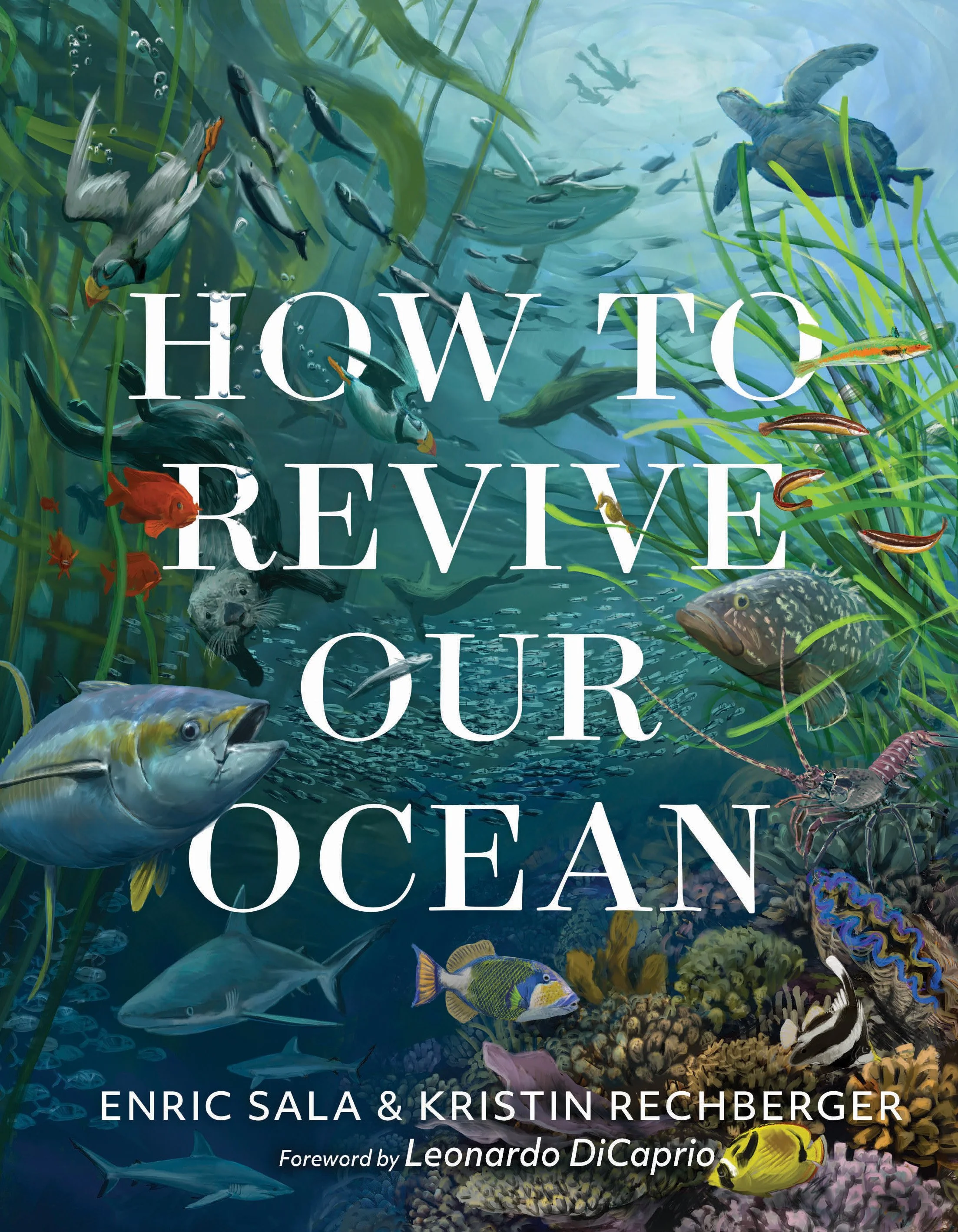
Available for pre-order now
Publishing May 2027
By Enric Sala & Kristin Rechberger
Informative, practical, and beautiful, this inspiring book shows how we can bring life back to the ocean.
Beneath the surface, our seas are in crisis—reefs are fading, marine species are declining, and underwater ecosystems are under threat. But the ocean can heal. Here is the blueprint.
How to Revive Our Ocean is an inspiring, science-backed roadmap to restoring the world’s living waters. Written by world-renowned ecologist Enric Sala (founder of National Geographic’s Pristine Seas, which has protected marine areas totaling two-thirds the size of the U.S.) and global conservation strategist Kristin Rechberger (founder of Dynamic Planet and Revive Our Ocean), this definitive guide reveals how we can achieve the essential global target of protecting 30% of our ocean by 2030 (30×30).
Richly illustrated with vivid storytelling, clear infographics, and detailed maps, this book blends visual wonder with actionable strategy. Sala and Rechberger demonstrate how, by protecting more of the ocean, we can replenish fish populations, revive dying coral, and secure the livelihoods and economies of coastal communities worldwide.
Part eye-opening exploration and part practical action plan, How to Revive Our Ocean is an essential handbook for ocean lovers, coastal community leaders, entrepreneurs, conservationists, and all who carry the sea in their hearts.